
 |
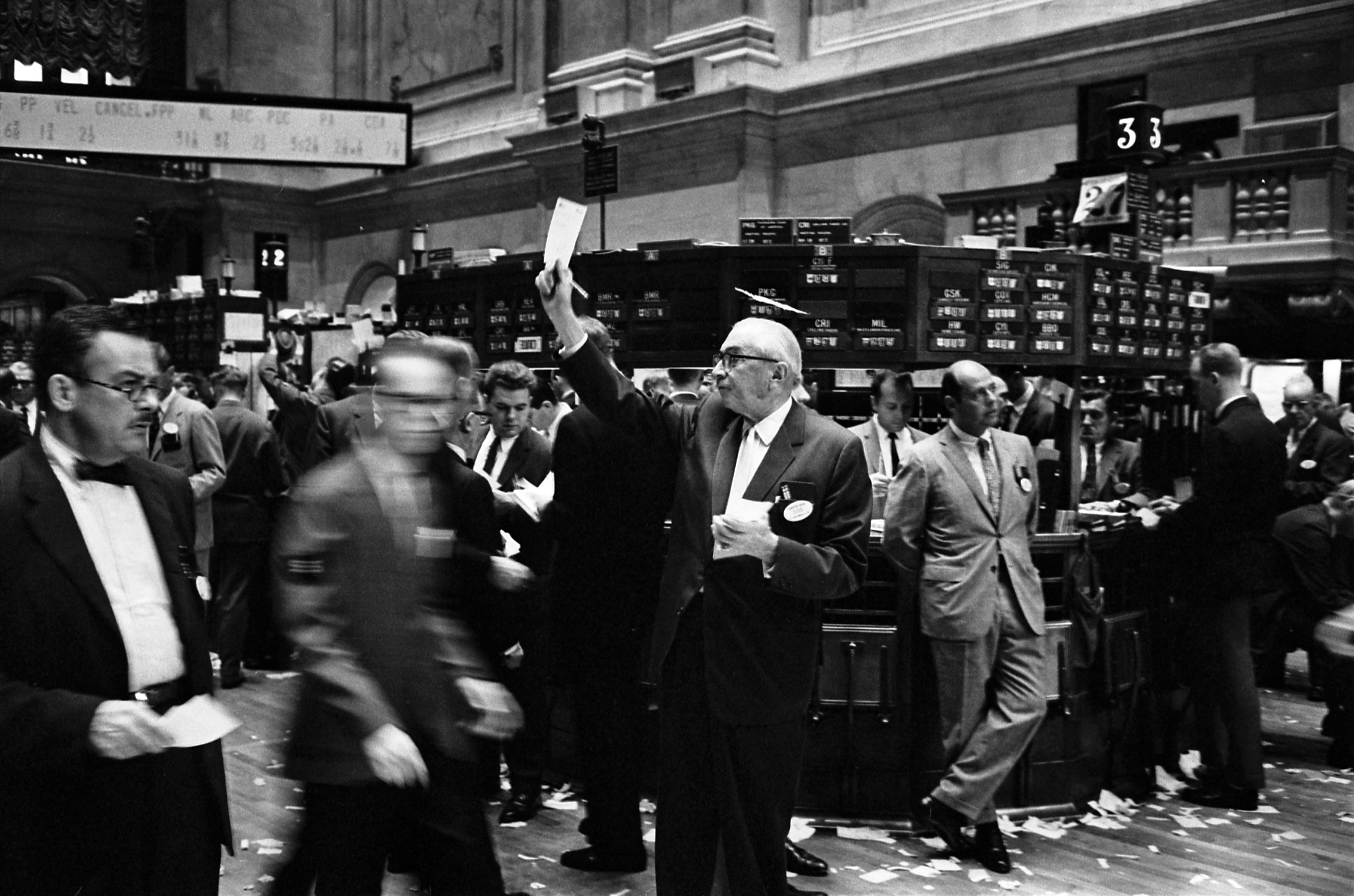
| Photo: Thomas J. O'Halloran, via Wikimedia Commons. |
The US economy delivered a double surprise on Wednesday: inflation accelerated in October while third-quarter growth came in much stronger than first reported, the Bureau of Economic Analysis said — handing the Federal Reserve a hotter-than-expected reading ahead of its final meeting of the year.
What happened
The personal consumption expenditures price index — the Fed's preferred inflation gauge — rose 0.3% on the month and 3.8% year over year, up from 3.6% in September. Core PCE, which strips out food and energy, also rose 0.3% on the month and 3.3% on the year, up from 3.1% in September and above the 3.2% expected.
Personal income rose $201.8 billion, or 0.7%, in October — beating the 0.4% expected — while disposable income rose 0.8% and real disposable income rose 0.5%. Spending rose $63.8 billion, or 0.3%, but real spending slipped less than 0.1% after adjusting for prices. The saving rate rose to 4.1% from 3.8% in September.
The second estimate of third-quarter GDP showed the economy grew at a 4.3% annual rate, revised up 0.9 points from the 3.4% advance estimate and nearly double the second quarter's 2.2%. The BEA said stronger investment and consumer spending drove the revision, and real final sales to private domestic purchasers rose 5.8%. Corporate profits rose $206.0 billion, down from $384.0 billion in Q2.
Markets were already sliding before the data landed. Nasdaq futures fell more than 2% in premarket trading as fresh tariff plans rattled chip stocks, with S&P 500 futures down about 1.8%. Dell fell 6-7% despite record revenue, Workday dropped about 10% and Ambarella fell roughly 35%.
 |
| Graphic: CoinFame. Source: U.S. Bureau of Economic Analysis, Nov 25, 2026. |
Why it matters
The combination is the one markets feared most: inflation heating up as growth accelerates. A hot print on top of strong GDP leaves the Fed little reason to hold back — and every reason to tighten further.
Traders had priced in a near-certain December rate hike — about 97.5% odds of a 25-basis-point increase on December 9, per CME FedWatch — and the hotter core reading gives them no reason to back off. December rate hike odds had surged to 96.4% on Tuesday as tariff fears mounted. Investor's Business Daily described the December hike as "looking like a lock".
Core PCE at 3.3% is the highest since November 2023, and inflation has run well above the Fed's 2% target for more than five years. Fresh tariff plans add more price pressure: higher import costs would feed the same inflation the Fed is trying to bring down.
US markets are closed on Thursday for Thanksgiving and close early on Friday, so thin holiday volumes can exaggerate moves in either direction.
What happens next
All eyes now turn to the Fed's final meeting of the year, with the decision due on December 9, where a 25-basis-point hike is all but priced in. The Fed's Beige Book lands later on Wednesday.
The next GDP reading — the third estimate — arrives on December 23, alongside the November personal income and outlays report. Until then, every inflation signal will be read through one lens: will the Fed hike again in early 2027?
This article is for educational purposes only and is not financial advice.
Sources: U.S. Bureau of Economic Analysis; Investor's Business Daily; Seeking Alpha; FSO News, 25 November 2026.



No comments:
Post a Comment